Medical Office Appointment Software: A Guide
How much a missed appointment costs, which appointment software suits a small practice, and how to set up WhatsApp reminders without getting blocked.
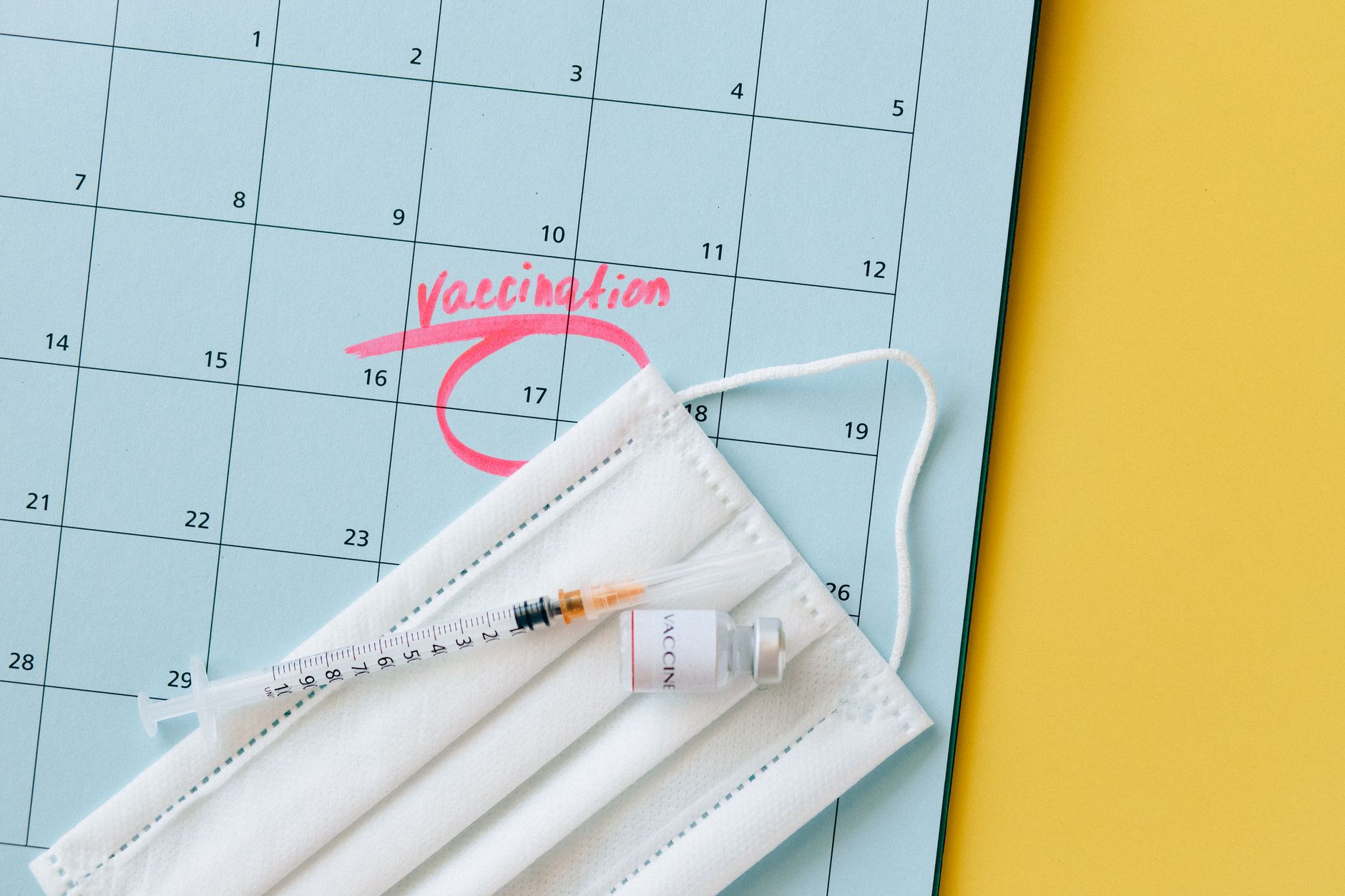
If you're looking for appointment software for a medical office, the short answer is this: for a solo practice, an online calendar with WhatsApp reminders is enough, and that can cost as little as a few hundred pesos a month. A custom system like Kyloo's starts at $8,000 MXN before VAT, plus $300 a month, and it makes sense when you need processes that a subscription app doesn't cover.
Before comparing prices, it's worth measuring what you're losing today. Almost no sales page does this, and it's the number that decides whether the tool pays for itself.
How much does a missed appointment cost you each month?
Let's take a practice with 80 appointments a month and a 20% no-show rate. That's 16 missed appointments. At $600 per consultation, that's $9,600 a month that never comes in. This is an illustrative calculation, based on the example from SMS Masivos; your percentage and your rate will be different.
Run the numbers with your own data: appointments booked, patients who didn't show up, and your average consultation price. If the result is a few thousand pesos, any tool at $300 a month already makes sense.
With the example's numbers, recovering just 5 of the 16 lost appointments is worth $3,000 a month. This is an estimate, not a promised result.
Why patients miss appointments and what actually reduces no-shows
Most of the time it isn't bad faith. They forgot, their work schedule changed, or they didn't know how to cancel. If canceling means calling and nobody picks up, the patient simply doesn't come.
There's evidence that a reminder helps, though the figures are modest. A physical therapy trial with 679 patients recorded a 16% no-show rate without an SMS reminder and 11% with one, as cited by Leadsales. I couldn't verify this against the original article, so treat it as a reference.
You'll see vendors promising to cut no-shows by 50% to 70%, as in this Recordar blog. Those are internal figures that can't be verified. I'd expect a real improvement, but a smaller one.
WhatsApp reminders: how many, when, and with which tool
In Mexico, patients read WhatsApp, not email. That's why a reminder there works better than an SMS. The sequence most often recommended is simple:
- 1One message 48 hours before, with an option to confirm or reschedule.
- 2Another 24 hours before.
- 3Optional: one the morning of the appointment, with the address and how to get there.
What you shouldn't do is send them by hand from your personal WhatsApp. Sending repeated messages without automation risks getting your number blocked for mass sending, a problem that has been documented among dental offices. Losing your usual number is worse than losing an appointment.
The right route is the official WhatsApp API. If you're torn between that and the free app, read WhatsApp Business or the WhatsApp API. Per-message costs have changed, and we explain them in how much the WhatsApp API costs starting October 2026.
One thing to watch when comparing: on some software pages, WhatsApp reminders are an add-on you pay for separately. Ask whether it's included before deciding based on the base price.
Does online booking make sense for a small practice?
It depends on how your patients reach you. If nearly all of them come by referral and message you on WhatsApp, a booking link can get in the way at first. If you're losing messages outside office hours or your assistant spends the morning booking appointments, it's worth it.
My take: offer online booking as one more option, not the only one. Whoever prefers to message can keep messaging. What matters is that every appointment lands in one calendar and not in three notebooks.
Paper calendar, subscription app, or custom system: when each one fits
Most search results mix solo practices with clinics, and their needs differ. Here's my read.
- Paper calendar or free calendar: works if you see fewer than 30 appointments a month and you manage them yourself. If that's enough, don't spend on anything else.
- Subscription app: the most sensible choice for a solo practice. As of October 2026, I've seen plans from $199 a month (Consultorio.mx) and from $3,490 MXN a year (Medora). Check prices and what each plan includes before you sign up.
- Custom system: makes sense with several doctors, services with different rules, or if you want the calendar to talk to your invoicing, inventory, or WhatsApp. This is where a generic subscription falls short.
If you're unsure whether your case already calls for something custom, 5 signs your small business needs custom software will help.
What Kyloo would do in this case
Our Appointment Scheduling package starts at $8,000 MXN before VAT, with delivery in 3 weeks and $300 a month. Patients book online by service, provider, and available time slot, and receive confirmations and reminders by email or WhatsApp. You see the day's schedule, staff, days off, and client history.
It doesn't include a clinical record. If you need one, it's quoted separately after a conversation. Domains, licenses, and third-party costs, such as WhatsApp messages, are also paid separately. If you want an assistant that books appointments through conversation, that falls under AI for WhatsApp, and if your process is more particular, under custom software.
Frequently asked questions
How much does appointment software for a medical office cost?
Subscription apps start at a few hundred pesos a month, as of October 2026. A custom system, like Kyloo's Appointment Scheduling, starts at $8,000 MXN before VAT plus $300 a month.
Can I send reminders from my personal WhatsApp?
You can, but it's not advisable. Repeated unautomated sends can get your number blocked. The recommended option is the official WhatsApp API.
How many reminders should I send?
Two is enough: one 48 hours before and one 24 hours before. If you like, add one the morning of the appointment. Always include an easy way to confirm or cancel.
How much do reminders reduce no-shows?
A physical therapy trial with 679 patients went from 16% to 11% no-shows with an SMS reminder. Some vendors promise more, but their figures can't be verified.
José Saldaña, co-founder of Kyloo.
- #consultorio
- #agenda de citas
- #recordatorios WhatsApp
- #inasistencias
- #software a la medida
Written by José Saldaña
team — we ship Custom Software in 4–10 weeks. Fixed price after a 48h discovery.
View Custom Software