Databases: How to Choose the Best One for Your Project
SQL, NoSQL, cloud or on-premises: we explain the real differences between databases and how to choose the right one for your business in Mexico.
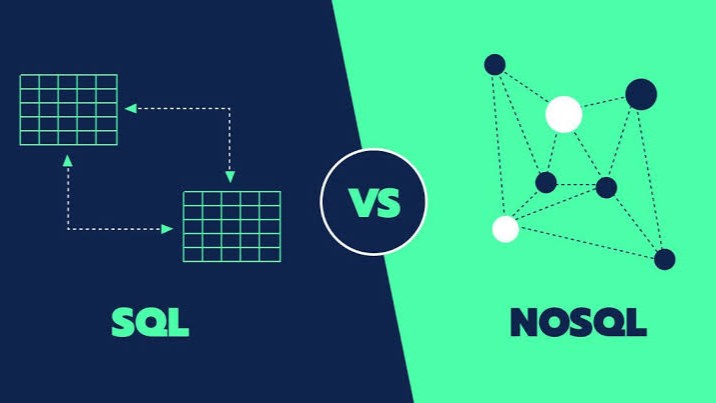
Choosing the wrong database for your project is a mistake you pay for later: emergency migrations, slow systems as the business grows, or cloud bills that skyrocket with no clear explanation. In Mexico, many SMBs inherit this decision from a freelancer or a developer who used what they already knew, not what the business needed. Here we explain, without unnecessary jargon, what types of databases exist, when each one makes sense, and what questions to ask your software provider before you start.
What is a database and why should you care?
A database is where your business's real information lives: your customers, your sales, your inventory, your orders. It is not a technical detail only the programmer cares about; it is the asset that makes your system run fast, stay secure, and grow without breaking. A system with 200 customers behaves differently from one with 200,000, and the database you choose today determines how expensive and painful that growth will be. Thinking about it from the start saves you a complete rewrite in 18 or 24 months.
SQL (relational) databases: order and consistency
SQL databases — like PostgreSQL, MySQL, or SQL Server — organize information in tables with fixed relationships between them: customers, orders, products, all connected with clear rules. They are the most proven option on the market, with over 40 years of production use, and remain the standard for systems where data must add up with zero margin for error: billing, accounting, inventory control, payroll. If your business handles money, tax compliance, or reports that go to the authorities, a well-designed SQL engine is almost always the right foundation.
- PostgreSQL: the most robust and free option, ideal for complex enterprise systems
- MySQL: quick to implement, widely used in e-commerce and websites
- SQL Server: common in companies already running on Microsoft infrastructure
NoSQL databases: flexibility for changing data
NoSQL databases — MongoDB, DynamoDB, Firebase, among others — don't demand a rigid structure from day one. They store information in flexible documents, which makes them ideal when your data format changes often or when you need to scale fast to millions of records, as in mobile apps, product catalogs with varying attributes, or content platforms. The tradeoff: without good practices, information is more likely to become inconsistent over time — unacceptable in a financial system, but perfectly manageable in an e-commerce catalog.
Rule of thumb: if your data looks like an Excel sheet with fixed columns, think SQL. If it looks like cards with fields that vary from one record to another, think NoSQL.
Cloud or your own server? The other decision they'll put in front of you
Beyond the database type, you have to decide where it lives: in the cloud (AWS, Google Cloud, Azure) or on your own server. For 90% of Mexican SMBs, the cloud wins on upfront cost and maintenance: no hardware to buy, you pay for what you use, and automatic backups are included. A managed engine like Amazon RDS or Cloud SQL can start at 15 or 20 dollars a month for a small project and scale when the business demands it. Your own server is only justified when specific regulatory requirements force you to keep data inside the company.
The right question isn't which database is the best, but which is the best for what your business needs to do with that information.
How to choose without being technical: 4 key questions
You don't need to know how to code to take part in this decision, but you do need to ask whoever builds your system the right questions. These four give you a solid foundation to evaluate any technical proposal and spot whether someone is choosing for their own convenience instead of what your business really needs.
- How many users or records do we expect to handle in 2 years, not just today?
- Does the data need to add up exactly (money, invoices) or can it be flexible (catalogs, content)?
- What happens if tomorrow I need to export everything to another system or provider?
- Who is responsible for backups and how often are they tested?
The decision matters less than the implementation
A fact few providers share: most performance problems don't come from choosing SQL over NoSQL or vice versa, but from poor implementation — badly written queries, missing indexes, untested backups. You can have the theoretically correct database and still suffer outages if nobody designed it for your business's real volume. So rather than obsessing over the technical label, demand a clear plan for growth, backup, and monitoring from your development team from day one.
At Kyloo we evaluate your data volume, budget, and business growth plan before recommending an architecture, not the other way around.
- #bases de datos
- #SQL
- #NoSQL
- #infraestructura
- #desarrollo a la medida
- #cloud

Written by Andrés García
Kyloo team — we ship Custom Software in 4–10 weeks. Fixed price after a 48h discovery.
View Custom Software