Starship: Flight 14 Launch Date
Starship's next flight targets September 18, 2026. Learn the date, mission, changes, and why it matters.
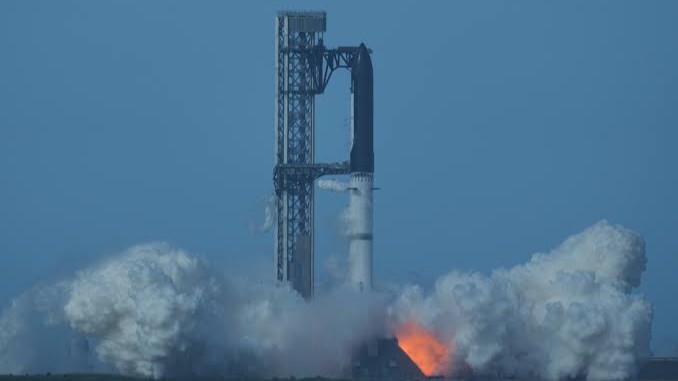
Starship's next launch, designated Flight 14, is currently targeting September 18, 2026 from Starbase, Texas. There is, however, an important difference between a target date and a confirmed date: SpaceX can still move the launch due to weather, vehicle readiness, or operational approvals. Some specialist calendars still show September 15 as an earlier date, but the latest updates point to September 18 as the current target. So if you're hoping to watch it live, treat September 18 as the reference date, not a guarantee.
When will Starship Flight 14 launch?
Starship's next launch, designated Flight 14, is currently targeting September 18, 2026 from Starbase, Texas. There is an important difference between a target date and a confirmed date: SpaceX can still move the launch due to weather, vehicle readiness, or operational approvals. If you're hoping to watch it live, treat September 18 as the reference date, not a guarantee.
What makes Flight 14 special?
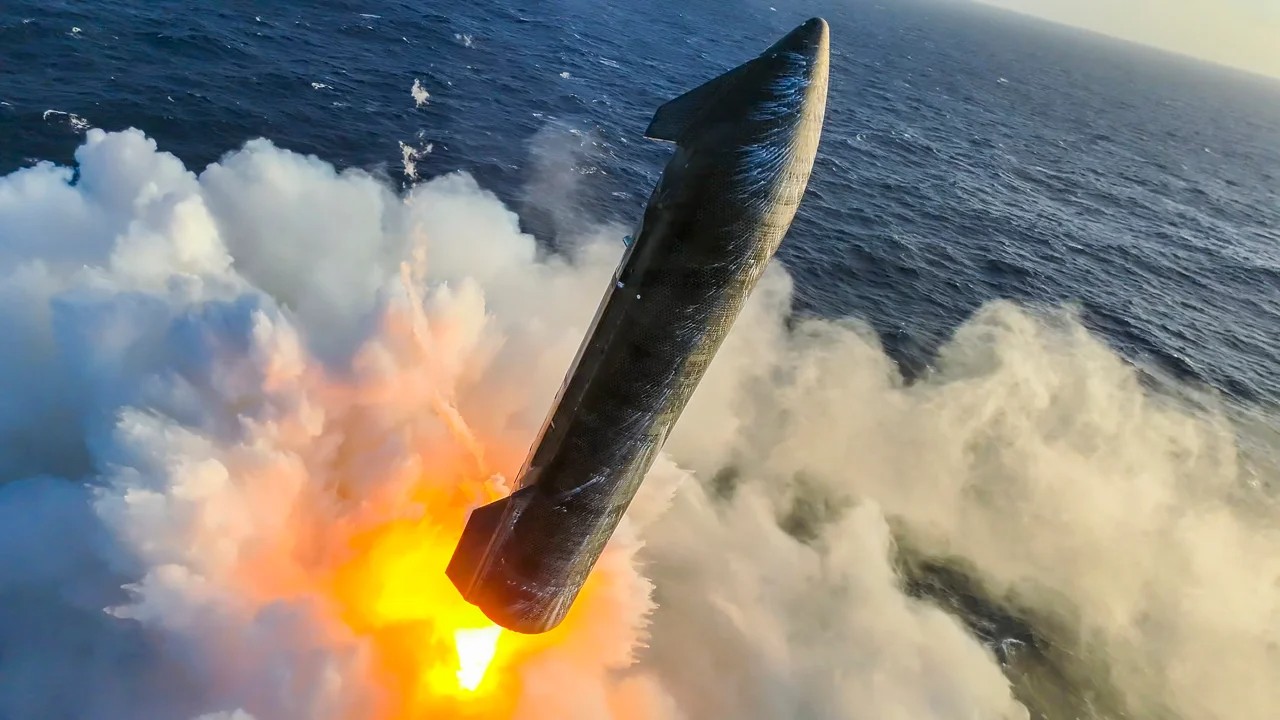
Flight 14 won't be just another test. It will be the third flight of the Starship V3 generation and is expected to be the first Starship flight to deploy satellites on an operational mission. The payload is tied to Starlink, SpaceX's satellite network. The goal is to reach low Earth orbit and show this new generation can fly a mission much closer to a real commercial launch. For SpaceX, this is a major shift: moving from mostly testing the rocket to using it as a platform capable of carrying cargo to space repeatedly.
- Vehicle: Starship V3 with the Super Heavy booster.
- Approximate system height: 124.4 meters.
- Planned LEO cargo capacity: up to 100 metric tons.
- Launch site: Starbase, Texas.
- Planned mission: Starlink satellite deployment to low orbit.
The goal is no longer just proving Starship can fly, but moving it toward a reusable, high-frequency launch system.
Why Starship matters beyond space travel
For a technology company, Starship's importance isn't just about reaching Mars. The project aims to change the cost and frequency of carrying infrastructure to space. SpaceX says Starship V3 could carry around 100 metric tons to low Earth orbit, with later generations increasing that capacity. The company also argues full reusability could radically cut the cost per kilogram sent to space. That can affect industries like telecom, Earth observation, navigation, research, and eventually orbital computing infrastructure. In other words, Starship can become a piece of technology infrastructure, not just a rocket.
Starlink, data, and artificial intelligence
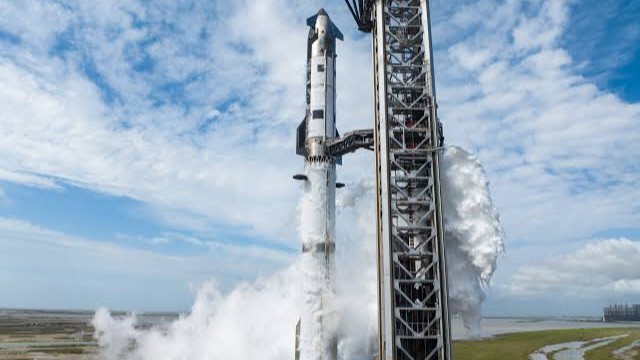
One of the most interesting aspects of Flight 14 is its connection to Starlink and SpaceX's infrastructure strategy. The new Starlink V3 satellites are designed to considerably increase network capacity, and Starship offers an obvious advantage: it can carry far more cargo than a conventional launch. That capacity also ties into SpaceX's vision of taking computing infrastructure and AI services to space. The company has talked about developing orbital computing systems, where satellites equipped to process information could work directly in space. It's still a developing vision, but it shows where digital infrastructure could evolve.
Key fact: SpaceX reported it had already flown 12 Starship test flights through May 2026. Flight 14 will be an especially relevant test because it aims to combine the new V3 generation with a satellite deployment mission.
What could happen after launch?
Flight 14's success won't depend on liftoff alone. SpaceX wants to move toward a system where both the Super Heavy and the ship can be recovered and reused far more often. The company has already demonstrated catching the booster with the tower's mechanical arms, but the challenge is turning that technical demonstration into a repeatable, economically viable operation. If Starship manages to fly more often while keeping high cargo capacity, the impact could be felt across the space sector. For tech companies, the point to watch is how cheaper launch infrastructure can open new markets for connectivity, data, sensors, satellites, and computing.
Is the September 18 date final?
No. The date should be read as a launch target and it can change. During September 2026 different sources have cited different dates while SpaceX and the authorities adjust flight planning. The recommendation is to follow SpaceX's official updates and the US aviation authority's communications before treating the launch as confirmed. If you're in Mexico and want to follow it live, also factor in the time difference with Texas. What matters is that Flight 14 already marks a different step in the program: it's not just about testing a rocket, but about moving Starship closer to a reusable transport model built for real operations.
- #SpaceX
- #Starship
- #tecnología
- #IA
- #Starlink
- #innovación

Written by José Saldaña
Kyloo team — we ship tecnologia in 4–10 weeks. Fixed price after a 48h discovery.
View tecnologia